
Packing for the Pole
While on my way up towards the Arctic Circle, first having flown into Iceland’s Keflavík International Airport, then boarding a ship in Reykjavík bound for Greenland, I felt at ease with my luggage choices. A journey it would be, made comfortable thanks to the bags in my possession.
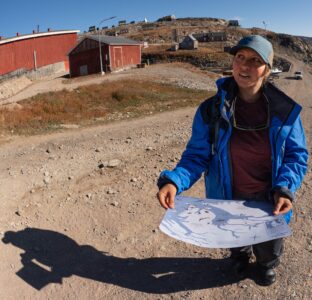
After crossing the vast Denmark Strait alongside the company of many whales, my first disembarkation was at the shore of the tiny, very remote settlement, Ittoqqortoormiit. I grabbed my lightweight backpack, which contained the few items needed for a short tour around the area. The backpack was light as a feather and completely comfortable. I had water to drink, a warm hat, chapstick, and an extra warm core layer. Walking around I gently smiled at people I encountered, keeping aware that this was their home and I was merely a “guest” passing through. It was humbling to know that people have survived for thousands of years here, living in this extreme climate. An older couple invited me into their home to try musk ox (Umimmak) and Greenlandic Cake (Kalaallit Kaagiat). I quietly put my picky pescatarianism aside and graciously accepted, nodding and smiling while the language translator facilitated the visit.
“Qujanaq,” I said. I learned to say thank you.
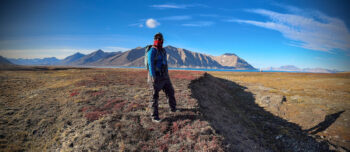
In the following days, my lightweight backpack served me well while hiking. I barely felt it on my back. The sternum and hip straps kept the pack in place while I used my hands to navigate rough terrain, scrambling over boulders and down steep, slippery areas. As I was in a vast and wild land with very real risks, I was always scanning my surroundings. Icebergs sat near the shoreline: remnants of the winter that beckoned the polar bears to venture out to hunt seals. The rugged and undulating topography and winding rock faces were like paintings. Hot springs bubbled and steamed up through the air, reflecting off the morning sun and providing an oasis in an otherwise seemingly barren land. But it was teeming with life everywhere I looked. Tiny, old growth plants, fungi, and lichens of all colors dotted and accented the landscape. Each individual had decades or centuries of life in them. I carefully tiptoed around these ancient beauties whenever possible, aiming to step on the rocks nestled beside them instead, all the while understanding the very real possibility of a polar bear existing nearby. I left my footprints next to bear tracks. The only “footprint” I had hoped to leave on this journey was that which could wash away with the next rain. I wished to pass through the land like a whisper in the wind, taking photos and leaving only a suggestion of my presence.
Travelling through the natural world with consideration and an open heart leads to many possibilities of discovery along the way. Lowering expectations of what we think something should be and letting nature unfold as it is intended provides for a richness like none other.
I felt a connection to my surroundings and a sense of place.
“Qujanaq,” I said again to the land, the air, and the sea.
“Illillu,” it replied. You’re welcome.
After many glorious days of sunshine, crispy air, and a touch of chilly rain that suggested the turn of summer into autumn, it was time for the ship to pass back through the Denmark Strait. Harbor porpoises darted and jumped through the waves, Humpback whale flukes popped up out of the churn, Pufflings and Fulmars skimmed the water, and the vast landscape of Iceland welcomed me once again.
A hike to the Dynjandi waterfall drew the expedition to a close. I will never get tired of watching water fall. I had an easy scramble to the furthest-most point on the trail. It was slippery, but I had my hands free to support me on my final excursion.
My last night aboard the ship was reflective. How well the expedition went was tied to the gear I used. My attitude of acceptance and openness to the land and people made it rich. And then came the Northern Lights! It was my first time seeing them and on my last night no less. Streaks of white light morphed and reshaped across the sky, a light green hue at times through my naked eye.
Preparing for the Arctic was a dream come true. I am naturally drawn to the poles and cold weather. This life-changing experience will stay with me forever.